Understanding the Northern Lights and Moon Photography
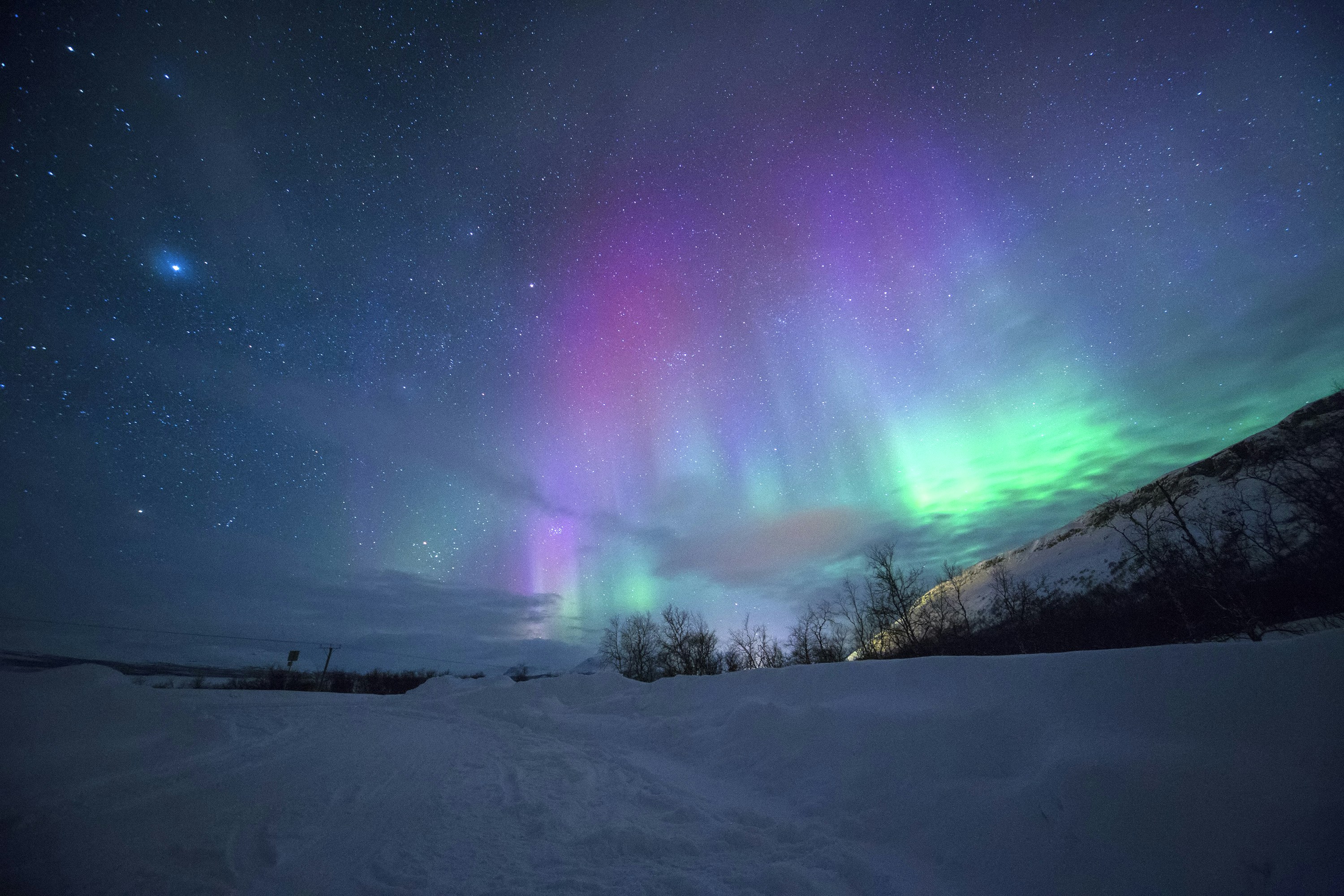
Photographing celestial phenomena such as the northern lights, or aurora borealis, and the moon presents unique challenges and opportunities for photographers. Capturing the ethereal beauty of the northern lights requires cameras with excellent low-light capabilities, as this natural display often occurs in dim environments. An effective camera for this purpose will typically have a larger sensor, allowing for better performance in low-light conditions and reducing noise in the images.
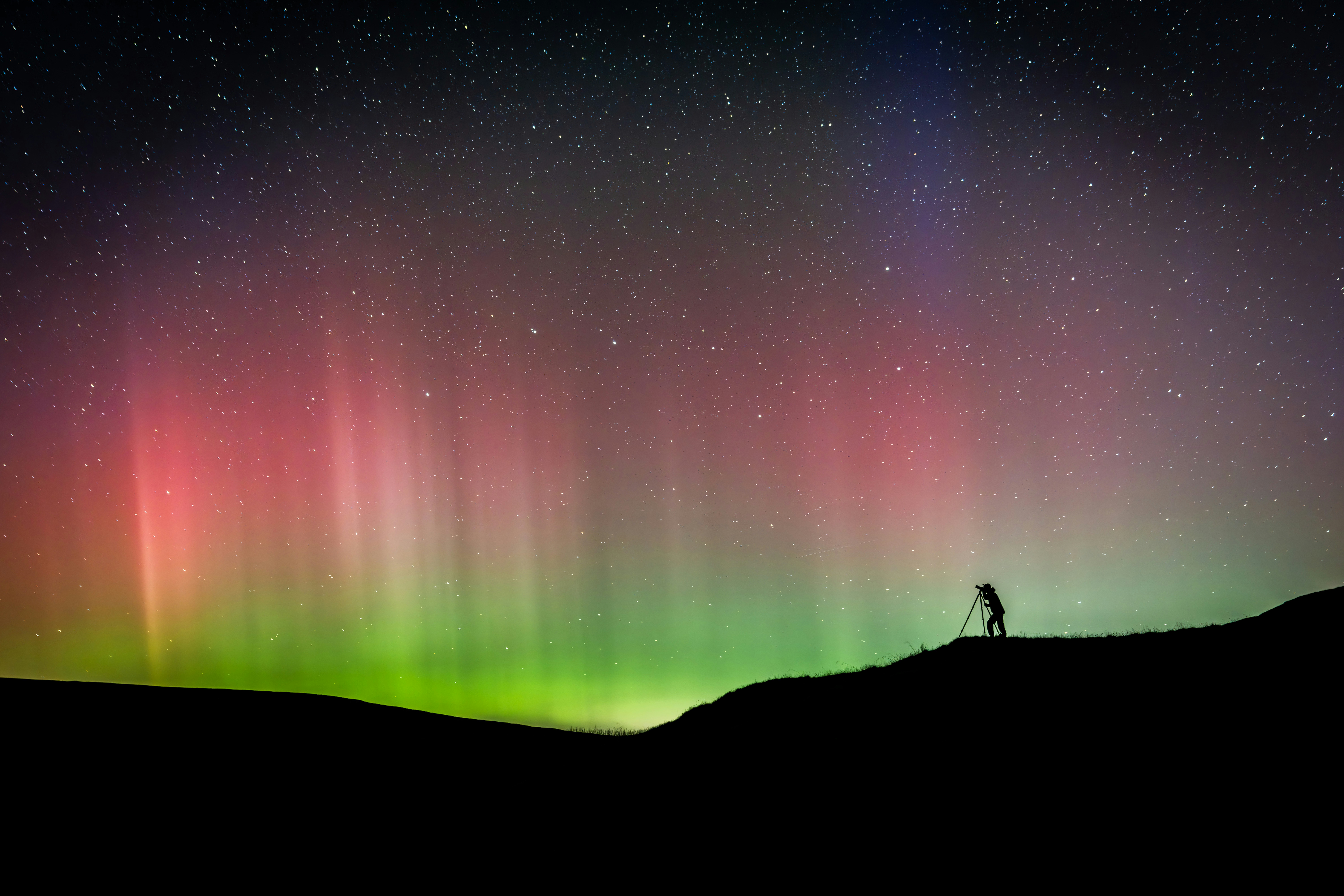
Exposure settings play a critical role in achieving stunning shots of both the northern lights and the moon. For the aurora borealis, long exposure settings are essential to gather enough light and render the vibrant colors that define this phenomenon. A shutter speed ranging from a few seconds to several seconds is often necessary, depending on the intensity of the aurora’s glow. In contrast, photographing the moon requires faster shutter speeds to capture the intricate details of its surface without overexposure. Using a tripod is equally important for both subjects, as stability is vital during longer exposure times.
The type of scenery surrounding these celestial events can also enhance photographs significantly. For the northern lights, compositions that include mountains, lakes, or trees can provide context and foreground interest, allowing the colors in the sky to stand out even more. Shots featuring reflections of the aurora in still water can create mesmerizing visuals. In contrast, lunar photography benefits from clearer foregrounds, such as landscapes or buildings, to establish scale and contrast against the moon’s brightness, allowing texture and details to shine through. Thus, mastering the techniques required for capturing both the northern lights and the moon is essential in creating compelling astronomical photographs.
With the right camera, you can capture all the Amazing Lights that come from the North!
Types of Cameras Suitable for Night Sky Photography
When it comes to capturing the mesmerizing beauty of the Northern Lights and the moon, the choice of camera is paramount. Several types of cameras are commonly utilized for night sky photography, each with its advantages and disadvantages.
First, Digital Single-Lens Reflex (DSLR) cameras are a popular choice among astrophotographers. Their large sensors and extensive lens options provide excellent low-light performance, allowing for stunning detail in the night sky. DSLRs also offer manual settings, giving photographers greater control over exposure and focus. However, they can be bulky and require additional accessories such as tripods for stability during long exposures.
Another option is mirrorless cameras, which have gained popularity due to their compact size and similar image quality to DSLRs. Benefiting from interchangeable lenses, mirrorless systems can accommodate a range of focal lengths suitable for different compositions. Additionally, they often have superior electronic viewfinders that offer real-time exposure feedback, making it easier to fine-tune settings in low-light conditions. However, battery life can be shorter than that of DSLRs, which is a consideration for extended shoots.
Point-and-shoot cameras, while not as versatile in terms of lens options, can still yield impressive results for casual photographers. They are lightweight and easy to use, making them suitable for those who may not be familiar with more advanced settings. However, their smaller sensors tend to perform poorly in low light compared to DSLRs and mirrorless models.
Lastly, smartphones have advanced significantly, with many recent models equipped with impressive camera capabilities. They offer convenience and ease of use, allowing photographers to capture the night sky quickly. Nevertheless, their limited low-light performance and inherent lens constraints may restrict the overall quality of astrophotography images.
Some recommended models across these categories include the Canon EOS 90D for DSLRs, the Sony A7 III for mirrorless, the Canon PowerShot G7 X Mark III for point-and-shoot, and the latest iPhone 14 Pro for smartphone photography. Each has its unique strengths that cater to different skill levels and photography needs.


Essential Features to Look for in a Camera
When selecting a camera specifically for capturing celestial events such as the northern lights and the moon, several key features merit careful consideration. Understanding these characteristics can significantly enhance one’s photography experience and outcome.
Firstly, the sensor size plays a crucial role in image quality, particularly in low-light scenarios common in night photography. A larger sensor can capture more light, which leads to improved detail and reduced noise in images. For astrophotography, full-frame sensors are often recommended, as they excel in sensitivity and dynamic range. However, crop sensors can also yield good results, particularly for photographers who might be working with a tighter budget.
The next feature to consider is ISO performance. A camera’s ability to perform at high ISO settings without introducing excessive noise is vital for night photography. Photographers should look for cameras that maintain image clarity and fidelity at ISO levels of 1600 and above, as this allows for better exposure while preventing the degradation of image quality.
Lens compatibility should not be overlooked either. A fast lens, typically with a wide aperture (f/2.8 or wider), is essential for capturing faint light sources like the northern lights. Additionally, a focal length that suits astro-photography, such as a wide-angle lens, will help in capturing expansive portions of the sky, enhancing compositional elements.
Furthermore, image stabilization can be beneficial, especially when shooting handheld. While a tripod is highly recommended for steady shots, in some cases, image stabilization will help in reducing camera shake, particularly during longer exposures.
Lastly, the ability to utilize manual settings allows photographers to have complete control over exposure, aperture, and focus. This flexibility is vital for adapting to the unpredictable nature of celestial events and ensuring that the final images align with the creative vision.
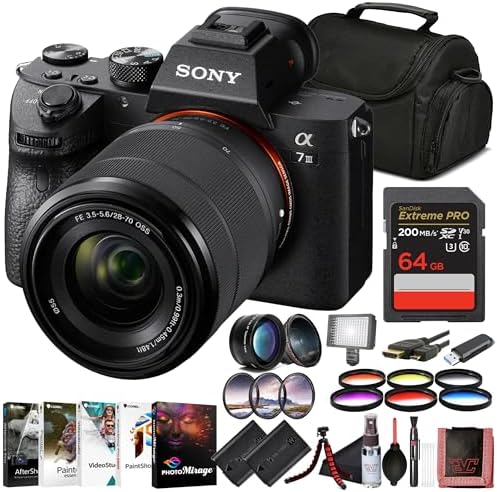
- Sony USA Authorized. Sony Alpha a7 III with 28–70mm Lens, mini LED light, two NP-FZ100 batteries, 64GB Extreme PRO card,…
- Complete Full-Frame Camera Kit – The Sony α7 III kit includes the FE 28–70 mm f/3.5–5.6 OSS lens, offering a versatile z…
- 24.2 MP BSI Sensor with Pro Imaging – Featuring a back-illuminated 24.2 MP Exmor R CMOS sensor and the BIONZ X processor…

- This Al’s Variety Camera Bundle Includes Sandisk 64GB Class 10 SD Memory Card ,55mm 3 Piece Filter Kit ,55mm .43 Wide An…
- Sony Alpha a7 III Mirrorless Digital Camera Body (International Version)- 24MP Full-Frame Exmor R BSI CMOS Sensor, BIONZ…
- Sony FE 28-70mm f/3.5-5.6 OSS Lens: Combining impressive optical performance with lightweight, compact convenience, the …
Recommended Equipment and Accessories for Optimal Results
When venturing into the wilderness to capture the mesmerizing northern lights and the majestic moon, having the right equipment is paramount. The most essential accessory for any photographer is a sturdy tripod, which helps to stabilize the camera during long exposure shots. A solid tripod will effectively minimize blurriness caused by camera shake, especially in low-light conditions typical of night sky photography.
In addition to a tripod, using a remote shutter release is highly recommended. This tool allows you to trigger the camera without physically touching it, further reducing the likelihood of camera shake. For those who do not possess a remote shutter, built-in camera timers can serve as a suitable alternative. This additional convenience is invaluable during long exposure shots, enhancing the potential to capture the intricate details of the northern lights.

- 【Heavy Duty Yet Lightweight Camera Tripod】 The aluminum alloy tri pod features a 2-1-1 structure and multi tube design, …
- 【Premium Fluid Drag Pan Head】 The video tripod features a fluid drag pan head, offers smooth friction damping, and suppo…
- 【Universal Mounting Threads】 The 1/4″ & 3/8″ screws on the top of the fluid head make this tall professional vlogging tr…

- 【Introducing NEEWER BASICS】 Simple and practical, NEEWER BASICS is an economical product line that focuses on essential …
- 【Superior Stability Compact Travel Tripod】 Made of aluminum alloy and plastic, the TP12 heavy duty camera and cellphone …
- 【Arca Type Dual Compatibility QR System】 The versatile Arca type QR plate and clamp base are also compatible with PD bac…

- Wide Compatibility: This camera tripod is universally compatible with cameras and devices with 1/4″-20 and 3/8″-16 threa…
- 2 in 1 Tripod Monopod: You can easily turn the aluminum tripod into a monopod according to your needs, this tripod is a …
- Angle Adjustable:The specially designed 36mm metal ball-head can rotate 360 degree allowing you to take photos at any an…
Filters can also play a significant role in achieving optimal results when photographing celestial phenomena. A neutral density (ND) filter can help reduce the amount of light entering the lens, allowing for longer exposure times without overexposing the image. This is particularly beneficial when trying to capture the dynamic movement of the auroras without losing detail.
Moreover, selecting the appropriate lenses is critical. Wide-angle lenses are advantageous for capturing expansive views of the sky while allowing for more light to hit the sensor. A lens with a fast aperture, such as f/2.8 or faster, will enable you to gather more light, essential for rendering the beauty of the northern lights and the moon’s details.
Lastly, when using these tools in the field, remember to experiment with your settings. Adjust the ISO, aperture, and exposure times as needed to capture the scenes effectively. The interplay of these elements can significantly enhance your photographic outcomes when photographing the northern lights and moon.
As an Amazon Associate, I earn from qualifying purchases.