Understanding the Aurora Borealis
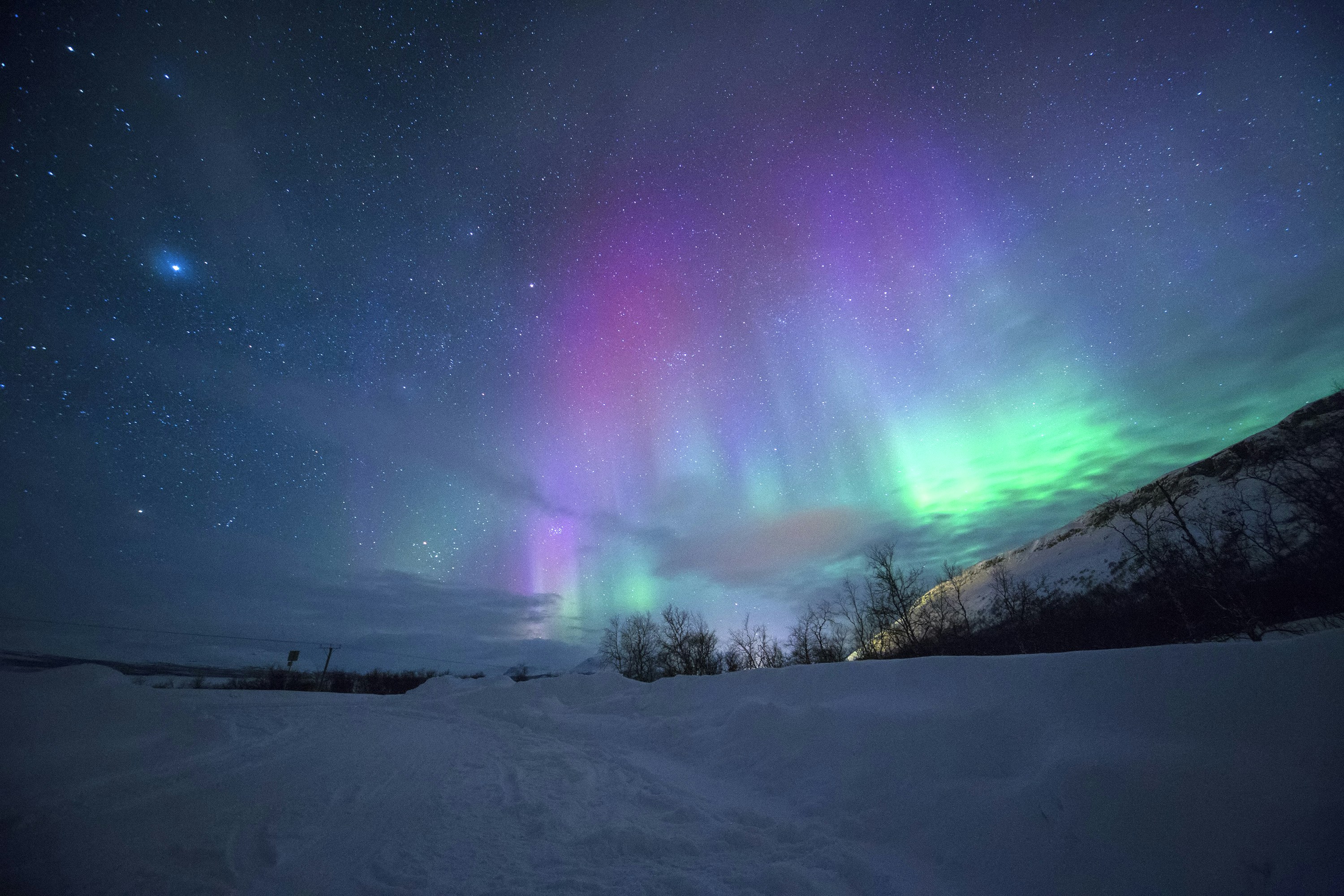
The aurora borealis, commonly known as the northern lights, is a breathtaking natural phenomenon that captivates observers with its shimmering lights dancing across the night sky. This spectacle is primarily caused by the interaction between charged particles from the sun—known as solar winds—and the Earth’s magnetic field. As these solar winds encounter the Earth’s magnetosphere, they collide with gas molecules in the atmosphere, resulting in the vibrant light displays that characterize the aurora.
One of the key factors that influence the visibility of the aurora borealis is geographic location. The phenomenon is typically best viewed in high-latitude regions near the Arctic Circle, such as northern Canada, Alaska, Norway, and Finland. These areas are situated within the auroral oval, a zone where the auroras are most likely to occur. Understanding one’s geographic proximity to this oval is essential for enthusiasts hoping to experience the northern lights.
Timing also plays a crucial role in aurora visibility. The aurora borealis is more frequently observed during the winter months when the nights are longer, and the skies are darker. Specifically, the period from late September through early April tends to yield prime opportunities for observing the lights. Additionally, solar activity, which follows an approximately 11-year cycle, directly influences the intensity and frequency of auroras, with peak activity correlating with increased solar flares and sunspot formation.
Meteorological conditions, such as cloud cover and local weather patterns, are also significant. Clear, dark skies free of light pollution are ideal for viewing the aurora borealis, as they allow for unobstructed views of the night sky. This essential knowledge equips photographers with the information necessary to plan their excursions and optimize their chances of capturing stunning images of this enthralling natural light show.
Essential Camera Features for Northern Lights Photography
Photographing the mesmerizing northern lights demands consideration of specific camera features that enhance the ability to capture this natural phenomenon. One of the most crucial attributes is low-light performance. Given that auroras are typically visible in dark conditions, a camera with exceptional low-light capabilities can make a significant difference. Cameras with larger sensors, such as full-frame or APS-C sizes, tend to perform better in low-light environments, providing cleaner images with less noise.
Another vital feature is the availability of manual settings. Photographers need the flexibility to adjust exposure, ISO, and shutter speeds to adapt to rapidly changing conditions. A camera that allows for these manual adjustments enables the user to optimize their settings to the unique brightness and intensity of the aurora, enhancing the chance of capturing stunning images.
The lens speed, indicated by a lower f-stop number, also plays a pivotal role. A fast lens allows more light to enter, which is essential when photographing the northern lights. Lenses with a maximum aperture of f/2.8 or wider can significantly improve the quality and detail in photographs taken in low-light conditions. Additionally, a wide-angle lens is often recommended to encompass more of the sky in each shot, capturing the full extent of the auroral display.
Lastly, stability is crucial during aurora photography. Therefore, using a sturdy tripod is advised, as this will help reduce motion blur during long exposure shots. In summary, a combination of low-light performance, manual control options, appropriate sensor sizes, and fast lenses are essential camera features that can enhance the experience and results of northern lights photography.
Top Cameras Recommended for Aurora Photography – Make it worth it!
For those interested in capturing the ethereal beauty of the northern lights, having the right camera gear is crucial. Below is a curated list of cameras that stand out for aurora photography, considering factors like low-light performance, sensor size, and lens versatility.
1. Canon EOS R6
With a full-frame sensor and exceptional low-light capabilities, the Canon EOS R6 is an excellent choice for aurora photographers. Its 20 frames per second shooting speed allows for capturing multiple frames, enhancing chances of capturing stunning moments. Additionally, the camera’s Dual Pixel autofocus ensures sharp focus even in challenging lighting conditions.
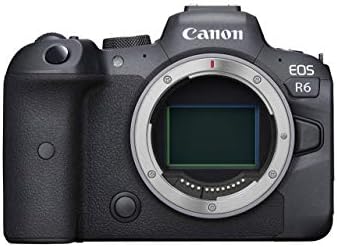
- High Image Quality featuring a New 20 Megapixel Full-frame CMOS Sensor.
- DIGIC X Image Processor with an ISO range of 100-102400; Expandable to 204800.
- High-Speed Continuous Shooting of up to 12 fps with Mechanical Shutter and up to 20 fps Electronic (Silent) Shutter.
2. Nikon Z6 II
The Nikon Z6 II boasts fantastic low-light performance with its back-illuminated full-frame sensor. This mirrorless camera is also equipped with in-body image stabilization, which is vital for prolonged exposure shots often required for aurora photography. Its robust build and weather-sealing make it suitable for outdoor conditions.

- INCLUDED – Nikon Z 6II Body, Battery, Charger, USB Cable, HDMI/USB Clip, Hot Shoe Cover, Strap, Body Cap, Eyecup, 64GB S…
- SUPERIOR IMAGING – Experience exceptional detail with a 24.5MP full-frame CMOS sensor, capturing stunning photos and vid…
- ENHANCED LOW LIGHT – Achieve clean, sharp images in challenging conditions with an ISO range of 100-51200 (expandable to…
3. Sony A7 III
The Sony A7 III is renowned for its superior noise control and dynamic range. With a 24.2 MP full-frame sensor, it captures stunning details in the dim light conditions typical of auroras. The extensive selection of compatible lenses further enhances its versatility, making it suitable for various shooting styles.

- Sony USA Authorized. Bundle includes the Alpha a7 III with 28–70mm lens, plus a 64GB Extreme PRO UHS-I SDXC card for rel…
- The Sony Alpha 7 III delivers remarkable clarity with its 24.2MP full-frame Exmor R CMOS sensor and BIONZ X processor. E…
- Equipped with 693 phase-detection and 425 contrast-detection points, the A7 III provides fast, accurate autofocus across…
4. Fujifilm X-T4
This camera is ideal for photographers who prefer a lightweight setup without compromising quality. The Fujifilm X-T4 features a crop sensor, which provides exceptional image quality and dynamic range. Its film simulation modes allow for creatively capturing the colors of the northern lights, appealing to both beginners and experienced photographers.

- Putting Stability in Your Hands: A huge part of creating great photos or videos is making sure you are in the right plac…
- Performance You Can Rely On: For any serious image maker, having a tool that can be relied upon to perform flawlessly wh…
- Find the Best Angle for Your Story: When chasing the perfect image, versatility is key, so the last thing you want is to…
When selecting a camera for capturing the northern lights, it’s essential to consider your photography style and budget. Each of the recommended models caters to different needs and preferences, ensuring that whether you are starting out or are a seasoned professional, there’s a suitable option for capturing breathtaking aurora images.
Tips for Capturing Stunning Northern Lights Photos
Photographing the aurora borealis can be a thrilling experience, but capturing stunning images requires careful planning and execution. Firstly, choose the right camera settings for optimal results. A camera with manual controls will offer the flexibility needed for night photography. Begin with a low ISO setting, typically around 800 to 1600, which minimizes noise while allowing sufficient light capture. Use a wide aperture, such as f/2.8, to allow maximum light to hit the sensor. Exposure times of 10 to 30 seconds are usually ideal, depending on the brightness of the aurora.
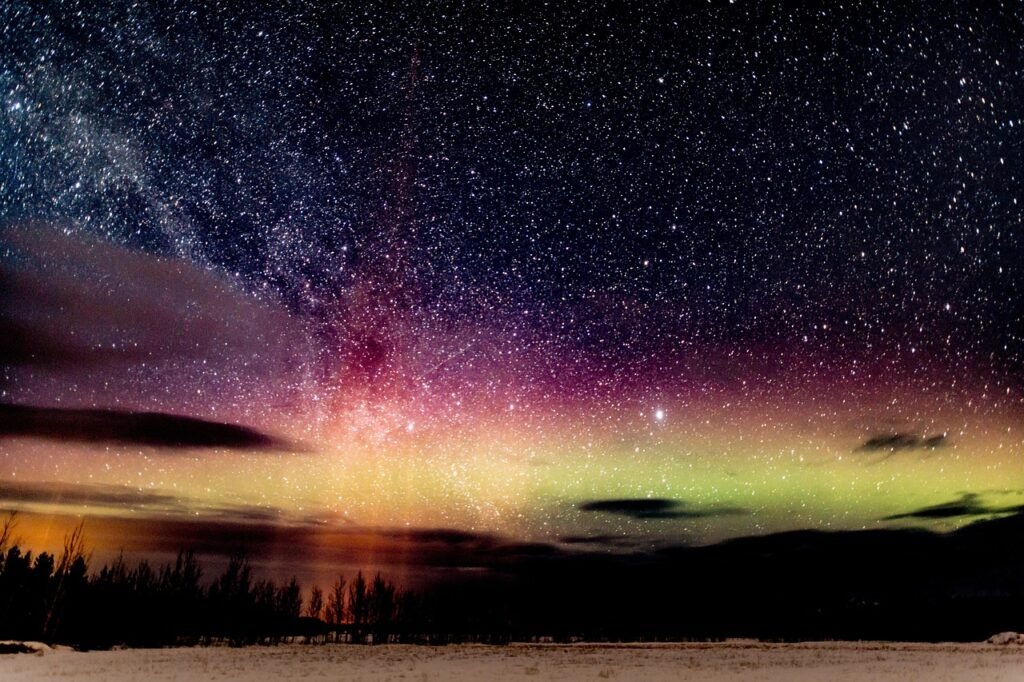
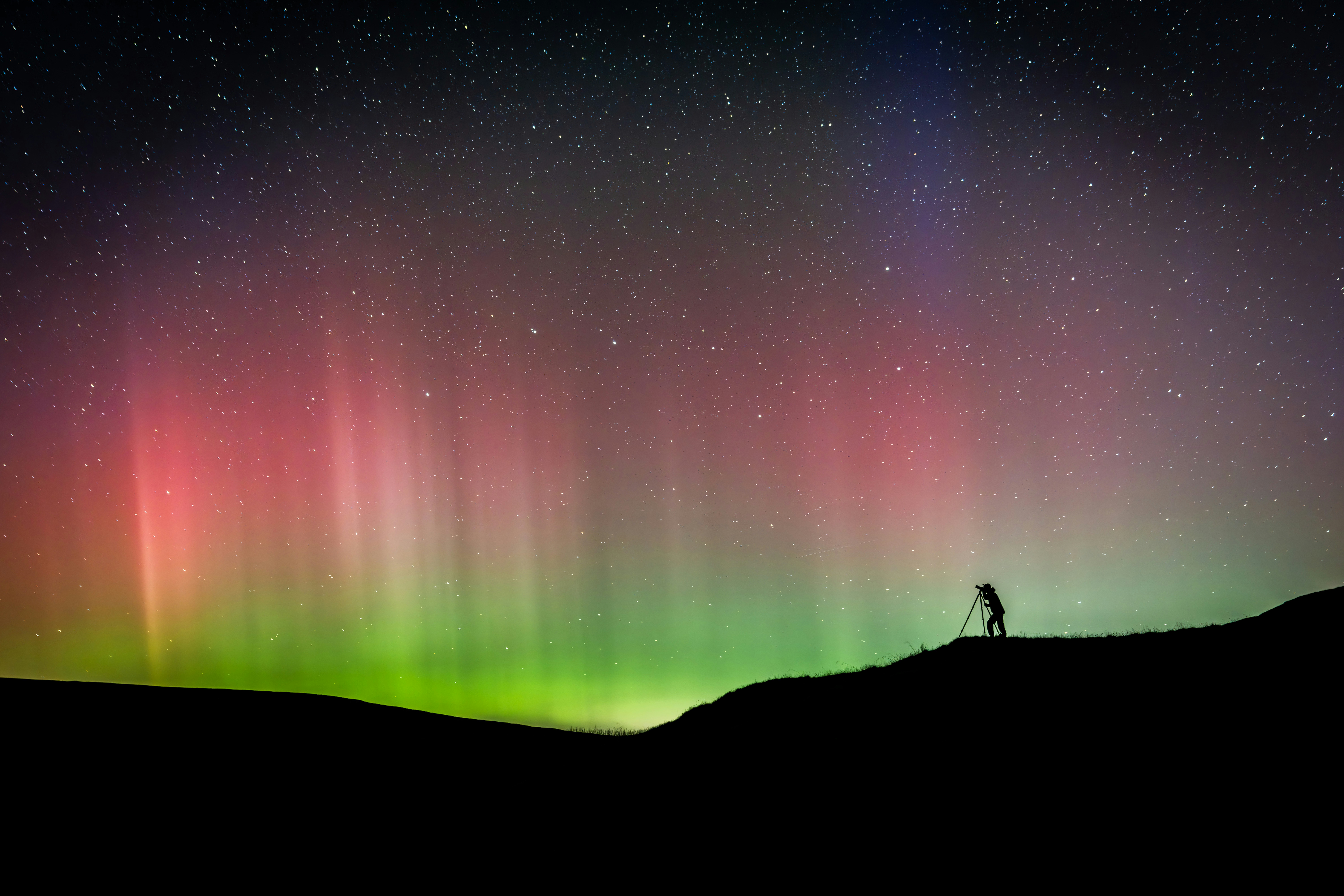
Composition is crucial in creating captivating aurora photographs. Incorporate foreground elements like trees, mountains, or a body of water to provide context and depth to the image. A stable tripod is essential to eliminate camera shake during long exposures. Experiment with various angles and perspectives; a low angle can emphasize the grandeur of the auroras. Additionally, consider using a remote shutter release or the camera’s timer function to avoid any jostling of the camera while taking a shot.
Post-processing techniques can significantly enhance your aurora images. Software like Adobe Lightroom or Photoshop can be invaluable for adjusting exposure, contrast, and saturation to bring out the brilliant colors of the northern lights. Using noise reduction features can help smooth out any graininess introduced by high ISO settings.
Safety and preparation cannot be overlooked when venturing into remote areas to photograph the aurora. Equip yourself with appropriate clothing to withstand cold conditions, and always inform someone of your plans. Consider the time of year and weather conditions, as clear skies are paramount for viewing and photographing the northern lights. Bringing extra batteries is advisable, as they tend to drain quickly in low temperatures. With the right tactics and precautions, photographers can create breathtaking images of the mesmerizing auroras.
As an Amazon affiliate, I earn from qualifying purchases.