The Allure of the Northern Lights
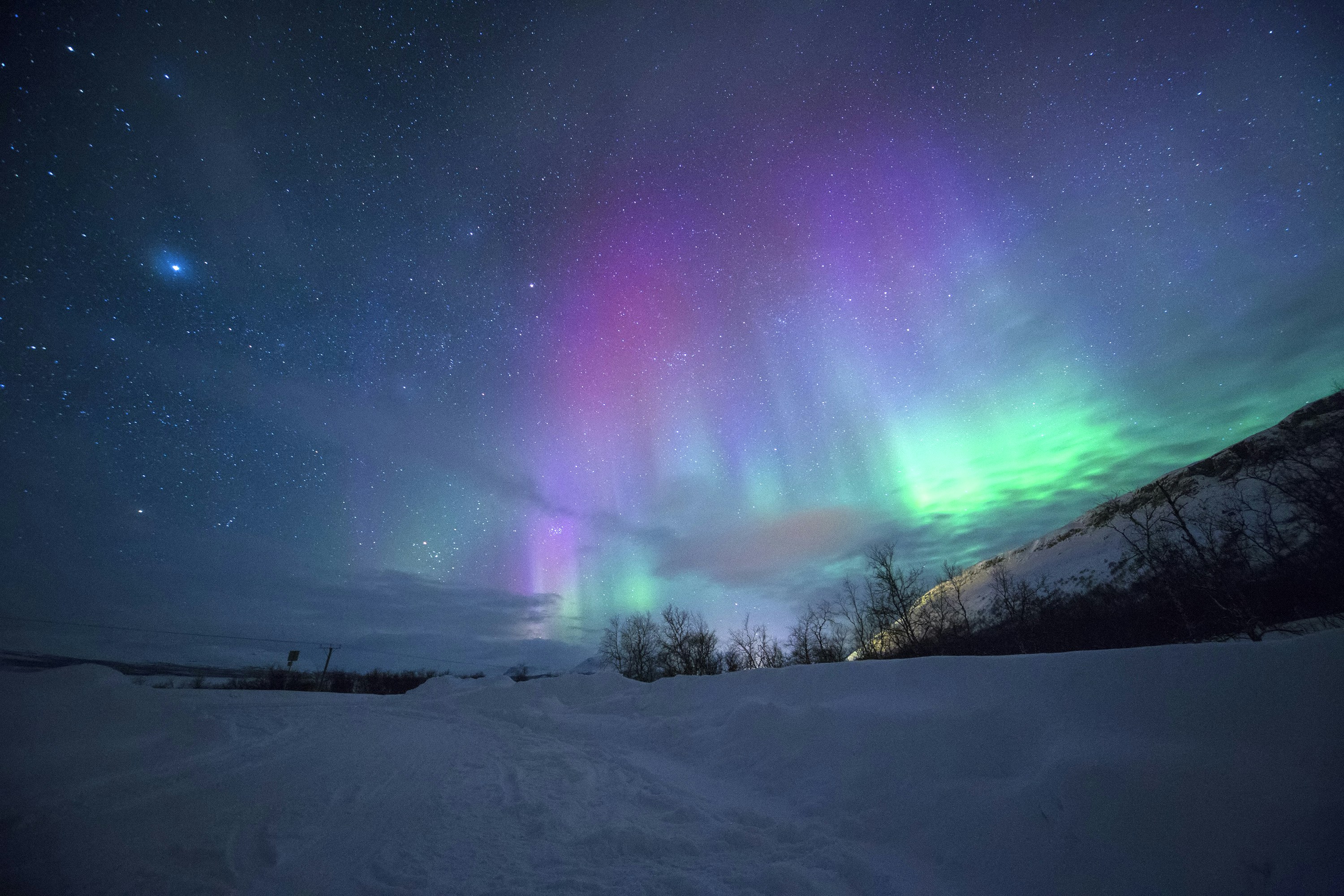
The Northern Lights, or Aurora Borealis, captivate countless individuals with their ethereal beauty and striking colors. This natural phenomenon is primarily caused by solar activity, where charged particles released from the sun collide with Earth’s magnetic field. These interactions result in the dazzling display of lights, which can range from bright greens to vivid pinks and purples. The interplay of particles with the atmosphere is not only a scientific marvel but also a spectacle that has drawn humans to various cold regions for centuries to witness its wonder.
Culturally, the Northern Lights have sparked imagination and inspired legends across diverse societies. Indigenous peoples in the Arctic regions, such as the Sámi and Inuit, have long held the belief that these lights are ancestral spirits communicating from the heavens. In Finnish folklore, they are referred to as “revontulet” or “fox fires,” attributed to a mythical fox running across the snow and swirling snowflakes into the sky. These interpretations offer rich insights into how cultures relate to this extraordinary light show, imbuing it with profound meaning beyond mere aesthetic enjoyment.
The scientific explanation of the Aurora Borealis adds to its allure, revealing a complex interaction between solar winds and magnetic fields. Observers are often left in awe as they comprehend that these ephemeral waves of color are the result of physics at play in our universe. This juxtaposition of science and cultural meaning enhances appreciation for the Northern Lights, marking it as not only a visual experience but also a profound connection to our world’s natural processes and human history. As both a subject of scientific study and a canvas for cultural mythology, the Northern Lights continue to enchant and inspire awe in those fortunate enough to witness their splendor.
Best Viewing Locations and Conditions
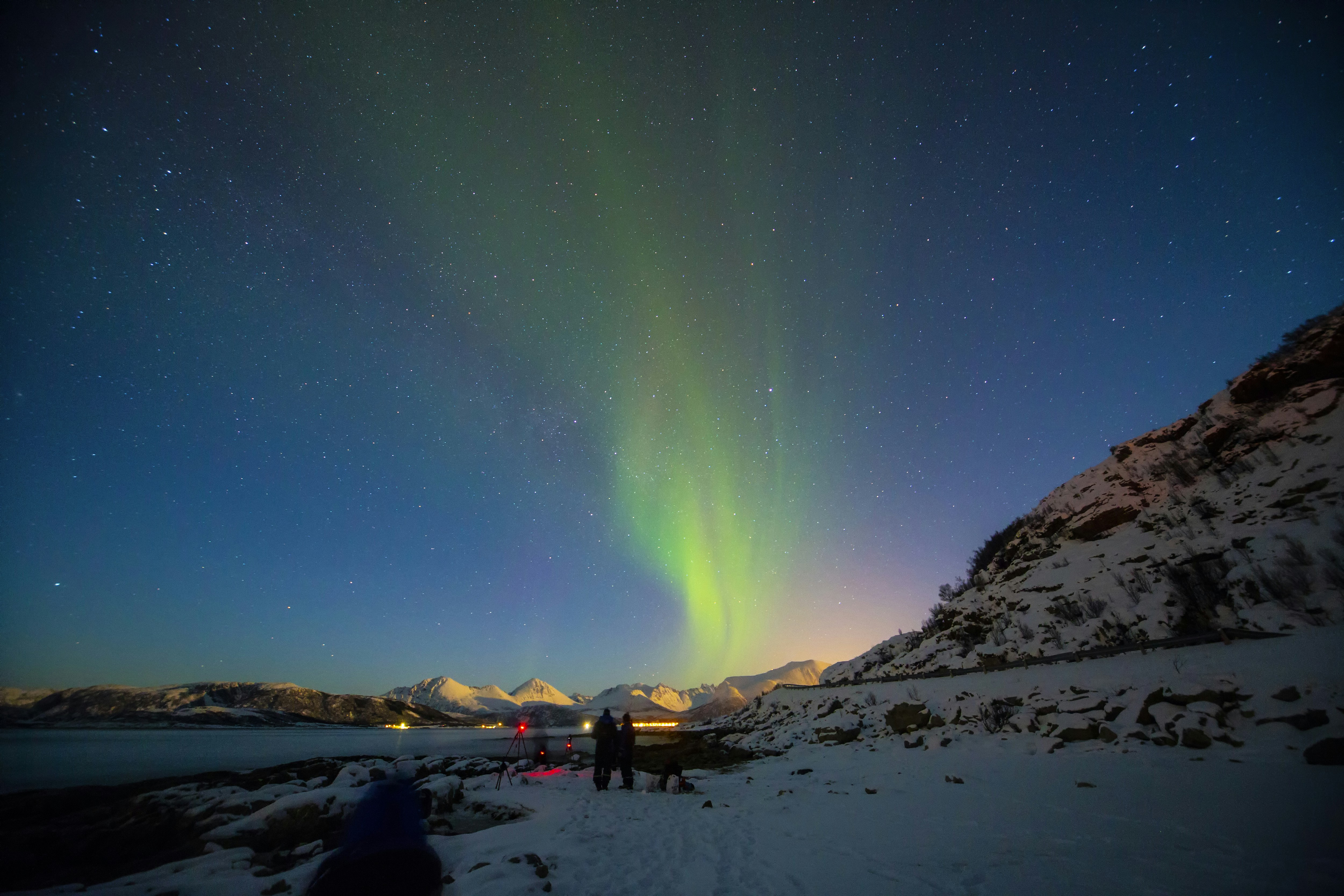
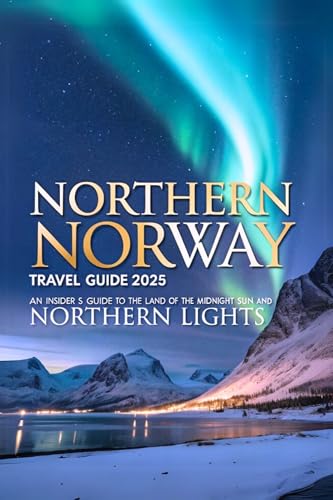
Chasing the Northern Lights, also known as the Aurora Borealis, requires careful consideration of both location and conditions to witness this spectacular light show. Prime locations for observing the Northern Lights are often found in countries situated near the Arctic Circle. Notable spots include Tromsø and Lofoten Islands in Norway, Abisko National Park in Sweden, the Yukon Territory in Canada, and various locations in Iceland, particularly around Reykjavik and the Snæfellsnes Peninsula.
In Norway, Tromsø is frequently cited as one of the best places due to its accessibility and clear skies. Additionally, Lofoten Islands offer stunning landscapes that complement the nocturnal display. Similarly, Abisko in Sweden is renowned for its unique microclimate, which results in exceptionally clear nights, enhancing the visibility of the lights.
In Canada, the Yukon Territory provides vast, unpolluted skies that make for ideal viewing conditions. The opportunities to explore areas like Whitehorse make it a popular destination for aurora chasers. Meanwhile, Iceland’s diverse geography enhances the experience, with opportunities to see the lights against backdrops of glaciers, mountains, and waterfalls.
Understanding the optimal conditions is crucial for maximizing the odds of witnessing the Northern Lights. Firstly, visiting during the winter months, particularly from late September to early March, is vital as longer nights create greater chances for visibility. Additionally, selecting nights with clear, dark skies away from artificial light plays a significant role in improving the experience. Be mindful of lunar phases; new moons provide darker skies, making the auroras stand out more vividly.
Ultimately, planning your visit around these factors will significantly enhance your chances of experiencing this breathtaking natural phenomenon.

Photography Tips for Capturing the Northern Lights
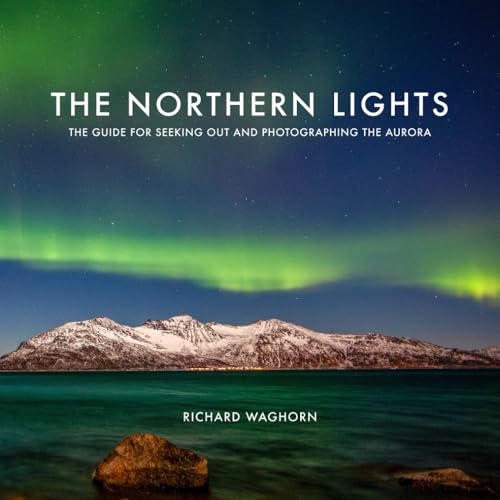
The Northern Lights, or Aurora Borealis, present a unique opportunity for photographers to capture stunning celestial displays. To effectively photograph this natural phenomenon, a few essential techniques and equipment selections are necessary. A DSLR or mirrorless camera is ideal, as they provide controllable settings and allow for interchangeable lenses. Using a wide-angle lens with a maximum aperture of f/2.8 or wider will enable more light to enter the camera, which is crucial for low-light conditions.
When it comes to settings, a longer exposure time is essential. Start with a shutter speed between 10 to 30 seconds, depending on the intensity of the aurora. Experimenting with your settings will yield the best results, as the lights can vary significantly in brightness. The aperture should be set to the widest setting of the lens, and the ISO typically between 800 and 3200. However, adjusting these values is necessary based on specific conditions, such as the brightness of the surroundings and the performance of your camera in low-light environments.
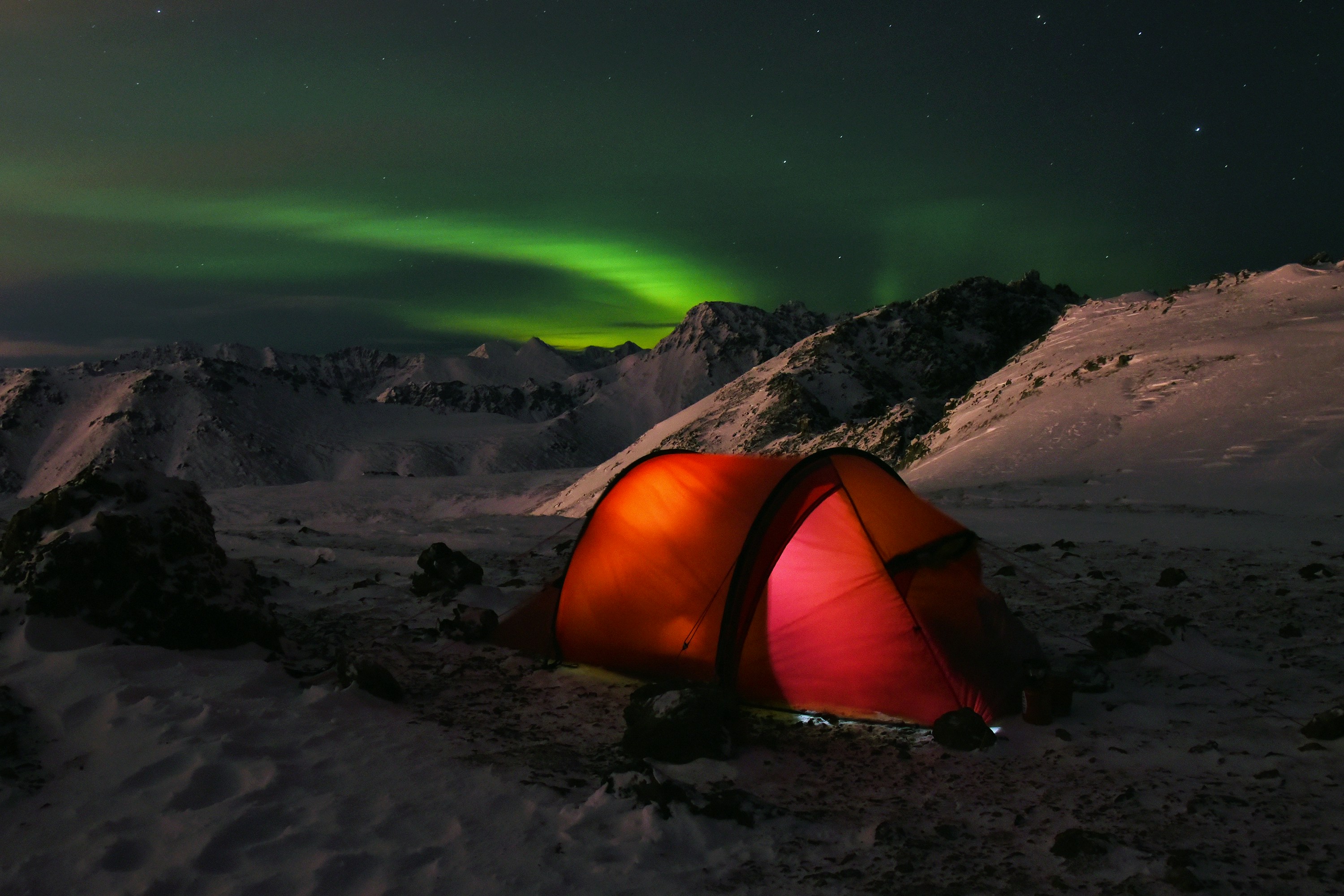
Composition plays a significant role in enhanced visuals. Incorporating foreground elements, such as trees or mountains, provides depth to the photograph and draws the viewer’s eye into the frame. Also consider the rule of thirds; place the horizon in the lower third of the photograph to emphasize the sky filled with auroras. Long-exposure techniques will generate a sense of motion within the lights, further amplifying the artful characteristics your photo conveys.
After the photograph is taken, post-processing is integral to refining the final image. Software like Lightroom or Photoshop can be used to adjust contrast, saturation, and sharpness, enhancing the vibrancy of the colors. Successful photographers, such as Elia Locardi, often emphasize the importance of editing in their workflow, ensuring that the magnificence of the Northern Lights is presented with utmost clarity and beauty.

- 24.1 Megapixel CMOS (APS-C) sensor with is 100–6400 (H: 12800)
- Built-in Wi-Fi and NFC technology
- 9-Point AF system and AI Servo AF
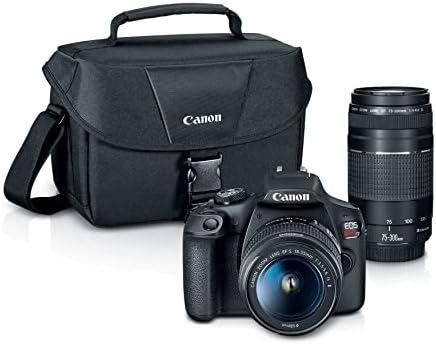
- Improved Dual Pixel CMOS AF and eye detection AF 24.1 Megapixel CMOS (APS-C) sensor with is 100–6400 (H: 12800)
- Built-in Wi-Fi and NFC technology working temperature range: 32-104°F/0-40°C
- 9-Point AF system and AI Servo AF
Planning Your Northern Lights Adventure
Embarking on a journey to witness the mesmerizing spectacle of the Northern Lights requires thoughtful planning and preparation. The first step is to determine the best travel dates. The optimal time for viewing this natural phenomenon typically spans from late September to early April, with peak activity often occurring between December and February. During these months, the nights are longest and the skies are darkest, providing prime conditions for spotting the auroras.
Choosing your destination is equally crucial; consider locations known for their clear skies and minimal light pollution, such as parts of Norway, Iceland, Finland, or Canada. Once you have selected your destination, arrange for transportation. Depending on your itinerary, you may need to book flights, rent a vehicle, or even consider guided tours designed specifically for aurora hunters. Flexibility is key; weather conditions can change rapidly, and staying adaptable can maximize your chances of witnessing the lights.
Accommodations also play a significant role in your overall experience. Look for lodges or hotels that offer aurora wake-up calls or have viewing areas specifically designed for guests to enjoy the lights in comfort. It’s advisable to book your stay well in advance, especially during peak seasons when demand skyrockets.
Beyond logistics, proper preparation is vital for a comfortable adventure. Layered clothing is essential due to the cold temperatures, along with insulated footwear, gloves, and hats. Specific gear such as cameras suited for low-light photography can enhance your experience, enabling you to capture stunning images of the Northern Lights.
Lastly, do not forget to check the travel documents required for your trip, including passports and any necessary visas. By undertaking these preparatory steps, you will ensure that your Northern Lights adventure is not only successful but also truly unforgettable. Make it your best trip ever!
As an Amazon affiliate, I earn from qualifying purchases.