Understanding the Northern Lights
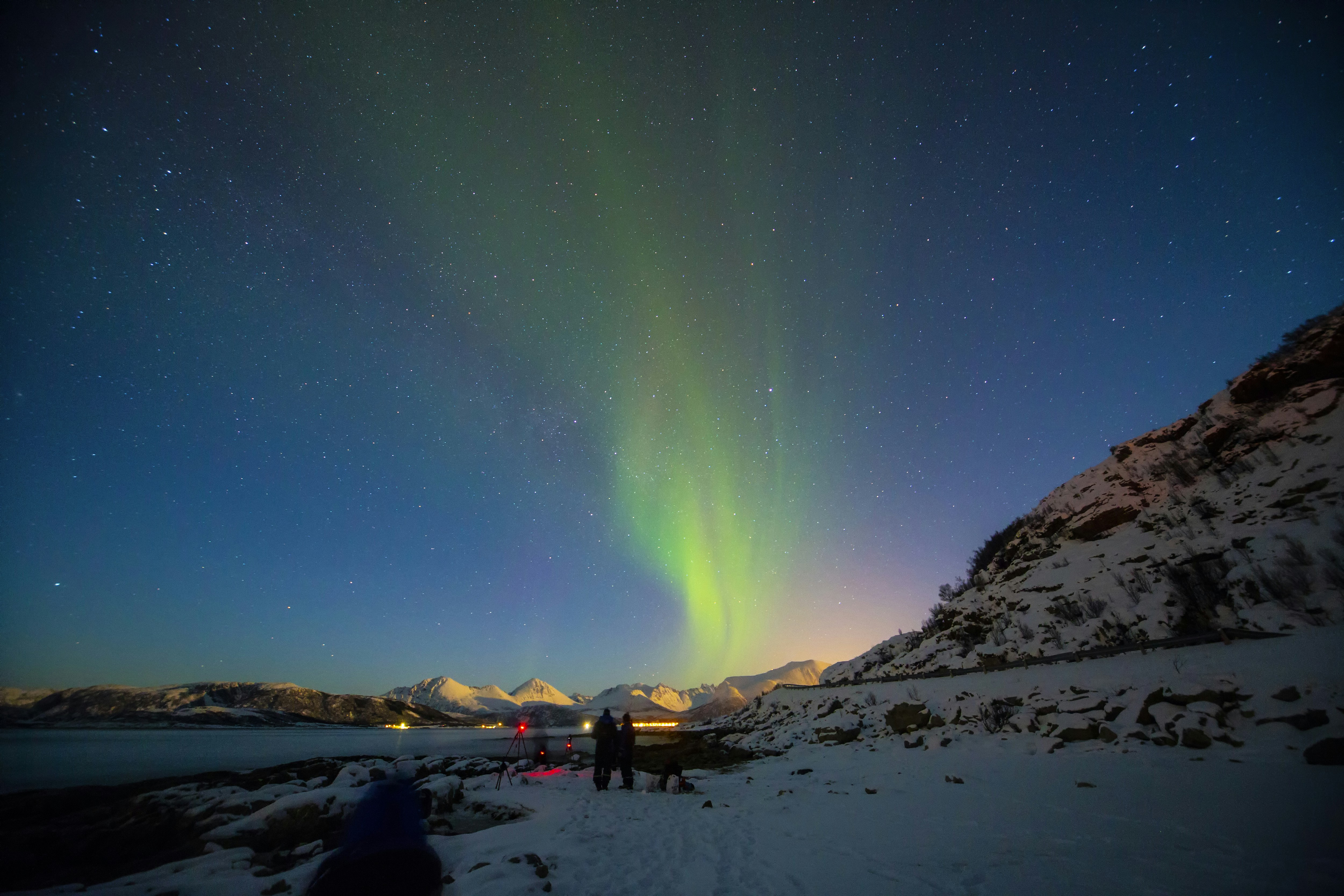
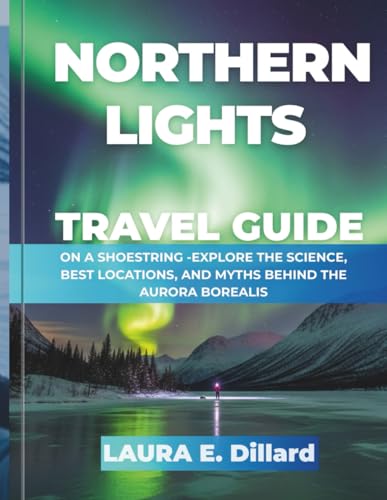
The Northern Lights, commonly referred to as the Aurora Borealis, represent one of nature’s most mesmerizing spectacles. This natural phenomenon occurs when charged particles emitted by the sun collide with gases in the Earth’s atmosphere, resulting in vibrant displays of color across the night sky. These interactions are primarily driven by solar winds—a stream of charged particles that flows from the sun. When these particles reach the Earth, they enter the atmosphere and ionize gas molecules, producing shades of green, pink, purple, and red.
The science behind the Northern Lights can be further understood through the Earth’s magnetic field, which acts as a protective barrier. When solar winds are strong, they can cause disturbances in this field, allowing particles to enter at magnetic poles. Consequently, the interaction results in beams of light that dance and shimmer, creating the breathtaking displays that many travelers seek to witness.
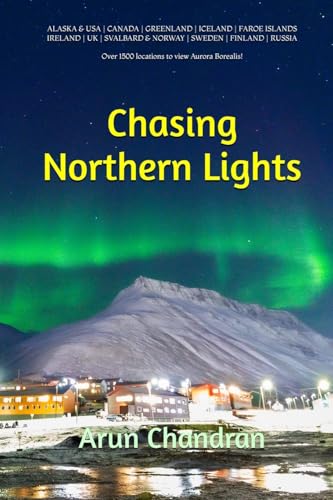
Geographically, the most reliable destinations for viewing the Aurora Borealis include areas within the Arctic Circle such as Alaska, Canada, Greenland, Iceland, and Norway. These regions provide optimal conditions due to their latitude, resulting in longer nights and clearer skies. Notably, 2026 is poised to be an exceptional year for aurora viewing, as it coincides with a peak in the solar cycle that enhances solar activity and, thus, the frequency and intensity of the Northern Lights. Increased solar activity will likely increase the potential for spectacular auroral displays, attracting enthusiasts from around the globe.
The Solar Cycle and its Impact on Aurora Activity
The phenomenon of the Northern Lights, or auroras, is intricately linked to the 11-year solar cycle, a period marked by varying levels of solar activity. This cycle is characterized by the fluctuation of solar radiation, sunspots, and coronal mass ejections, all of which significantly influence the occurrence and intensity of auroral displays. During the peak years of this cycle, such as 2026, increased solar activity leads to a higher probability of vibrant Northern Lights.
As solar activity amplifies, there is a notable rise in the emissions of charged particles from the Sun. When these particles collide with the Earth’s magnetosphere, they excite atmospheric gases, resulting in dazzling light displays in the polar regions. This correlation indicates that the years of maximum solar activity enhance not only the frequency but also the vividness of auroras. Experts predict that as we approach 2026, which is anticipated to be a peak year in the current solar cycle, the conditions for viewing the Northern Lights will be exceptionally favorable.
Recent studies and observations from solar physicists suggest that the upcoming solar maximum could yield auroral displays more intense than those seen in previous cycles. It is during these peak times that areas previously less inclined to witness auroras may experience them with greater regularity. Locations known for their usual spectacular views will, in 2026, likely offer a feast for the eyes, showcasing the dynamic beauty of the Northern Lights in breathtaking fashion. This predicted uptick in solar activity underscores the significance of 2026 as a year for aurora enthusiasts and casual observers alike.
Planning Your Trip: Best Locations and Timings
Experiencing the Northern Lights is a remarkable adventure that requires careful planning. The peak season for viewing this awe-inspiring natural phenomenon stretches from late September to late March, during which the nights are longest and dark enough to showcase the luminescent displays. In choosing the right destination, several areas are renowned for their exceptional visibility of the Aurora Borealis.
One of the top locations is Tromsø, Norway, often referred to as the “Gateway to the Arctic.” This city offers numerous tours and local guides who specialize in Northern Lights excursions. The urban setting also provides a range of accommodations suitable for travelers, from cozy villas to luxurious hotels, ensuring a comfortable stay.
An equally captivating option is Fairbanks, Alaska, known for its consistently clear skies during the winter months. Fairbanks has a variety of lodging options and offers dedicated tours during peak times, increasing your chances of witnessing the Northern Lights. Additionally, locations within the city, such as the Chena Lakes Recreation Area, are favored for optimal viewing.
In Canada, Yellowknife is another highly recommended destination, famed for its frequent and vivid Aurora displays. The proximity of this city to the magnetic North Pole enhances the likelihood of experiencing the Northern Lights. Visitors can find numerous local guides here who provide invaluable advice on the best viewing spots and accommodation options.
To maximize your chances of witnessing this extraordinary experience, aim to view the lights between 10 PM and 2 AM when solar activity is often at its height. Furthermore, check the weather forecasts and choose nights with clear skies, as cloud cover can obscure visibility. By selecting the right locations and timing your visit, you can create unforgettable memories under the captivating dance of the Northern Lights.
Take that Special Someone and go on the trip of your lives! It would sure be a Memory you’d never forget!
Essential Gear for Northern Lights Viewing
Experiencing the majestic Northern Lights requires not just anticipation and patience but also the right gear to ensure a comfortable and memorable outing. Weather conditions in Northern regions can be quite unpredictable, especially during the winter months, making it essential to prepare adequately for a successful viewing experience.
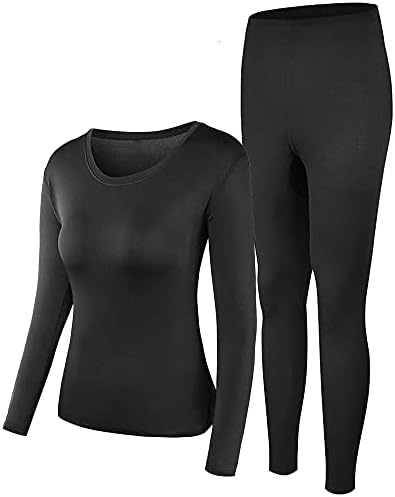
First and foremost, wearing clothing appropriate for low temperatures is crucial. Layering is key to maintaining warmth; start with a moisture-wicking base layer, followed by insulating materials such as fleece or wool, and finally, a waterproof outer layer to protect against wind and precipitation. Don’t forget warm accessories like insulated gloves, thermal hats, and thick socks. A good pair of boots designed for cold weather will keep your feet warm while you stand in awe of the dancing lights.



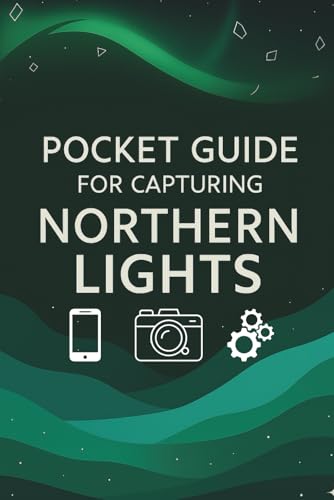
In addition to protective clothing, photography enthusiasts will benefit greatly from having the right equipment. A DSLR or mirrorless camera capable of manual adjustments, a sturdy tripod, and a wide-angle lens are fundamental tools for capturing the Northern Lights. A remote shutter release can also be helpful to avoid camera shake during long exposure shots. Consider bringing extra batteries, as the extreme cold can deplete battery life quickly.

- Stellar Image Quality: Canon EOS R100 4K digital camera with 24.1 megapixel CMOS (APS-C) sensor for superb image clarity…
- Compact Design: Compact, lightweight EOS R series 4K camera with an affordable price; smallest and lightest camera body …
- Powerful Image Processor: DIGIC 8 image processor allows for improved shooting functionality and 4K video capability; EO…

- The CMOS image sensor offers an effective pixel count of 14.2-million pixels (D3000: CCD image sensor with 10.2-million …
- EXPEED 2 is Nikon’s new image-processing engine, developed by refining the concepts, it maximises the performance of the…
- The camera also makes the most of its standard sensitivity settings up to ISO 3200 (D3000: ISO 100-1600) and additional …
Optional gadgets that enhance the experience include a headlamp or flashlight with a red light setting, which preserves night vision while navigating in the dark. A comfortable camping chair can also make extended viewing periods more enjoyable. Insulated mugs filled with hot beverages not only keep you warm but can also help in sustaining energy levels as you wait for the lights to appear.

- 5 MODES — 3 for Bright White Light (High/Mid/Low), Red and Red SOS for emergency. This light lamp have extra memory fun…
- USB RECHARGEABLE — Fully charged only for 3 hours and offer 4 hours continuous power on high mode, 12 hours on low mode…
- SUPER BRIGHTNESS — With max 500 lumens of power, the headlamp can easily spot a distance of 650 FT for a maximum of 4 h…
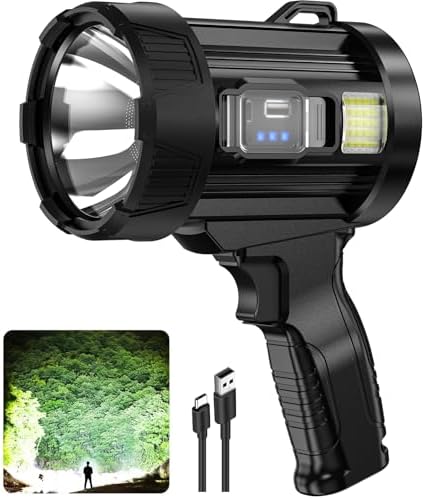
- Super Bright Spotlight – Uses the latest P90.9 chip to produce up to 99,000 lumens of light output. Illumination distanc…
- Multiple Charging Options – Built-in 9,600mAh high-capacity rechargeable ΒATTERY, which can be charged via the included …
- 6 Lighting Modes – Main light 3 modes (High -Medium- Strobe), Side light 3 modes (High-low-Safety warning light). The Km…

- Adjustable Beam Focus – Easily switch from spot to floodlight with a simple turn of the head.
- Multiple Lighting Modes – Full Power (1002 lumens), Low Power, and Eco Mode for extended use.
- Extended Battery Life – Runs up to 5 hours 45 minutes on High, 97 hours on Low, and 434 hours on Eco Mode for reliable p…
By preparing with the right gear, adventurers will be better equipped to enjoy this breathtaking natural phenomenon comfortably and effectively. The combination of appropriate clothing, photography tools, and conveniences can significantly elevate the overall experience of witnessing the Northern Lights in 2026. MAKE IT THE BEST YEAR YET!!!
As an Amazon affiliate, I earn from qualifying purchases.