Understanding the Northern Lights: A Photographer’s Perspective
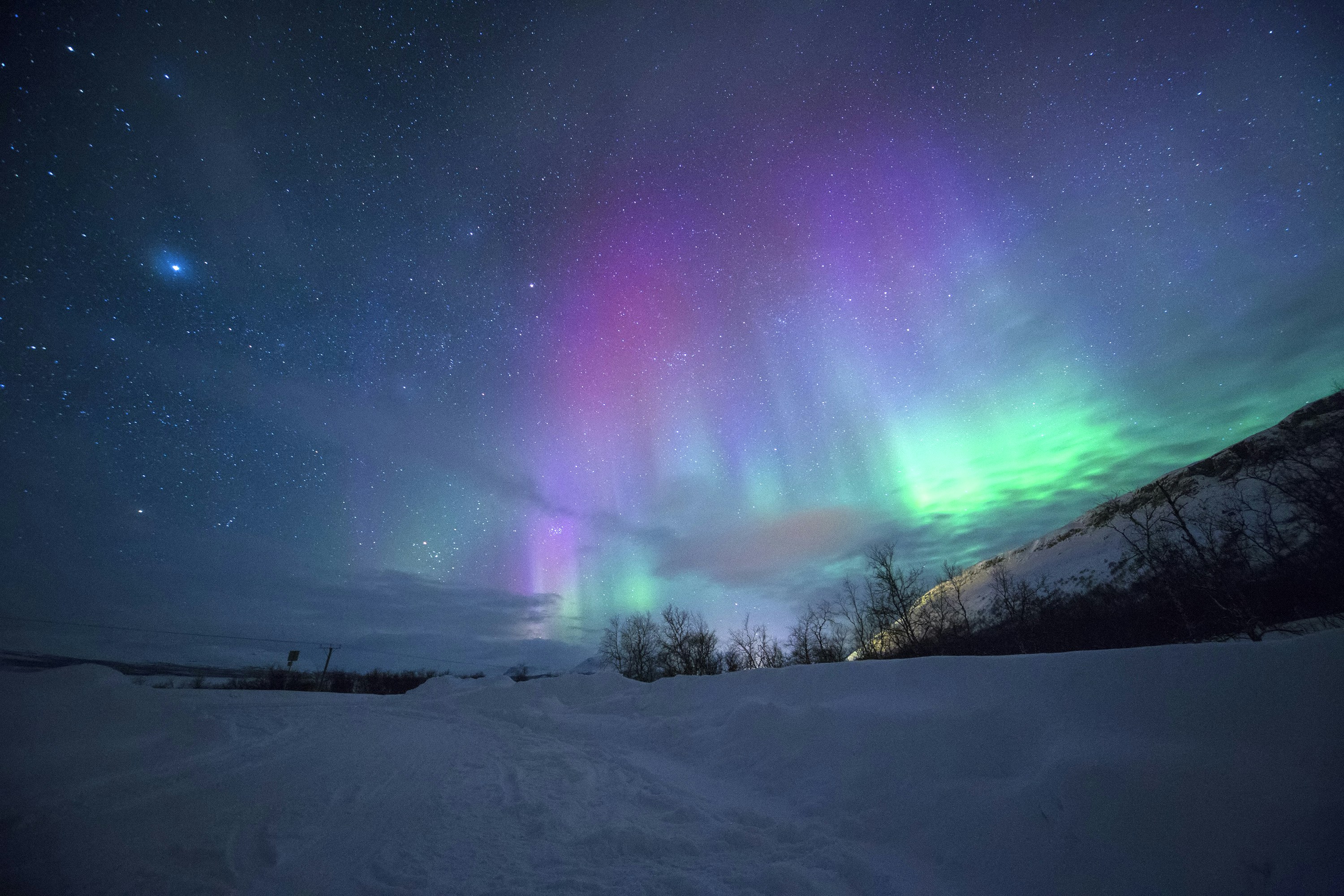
The Northern Lights, scientifically known as Aurora Borealis, is a captivating natural phenomenon that has inspired awe for centuries. This stunning display occurs when charged particles emitted by the sun collide with gases in Earth’s atmosphere, leading to vibrant light displays typically in colors of green, pink, red, yellow, blue, and violet. The phenomena are most prevalent near the poles, where the Earth’s magnetic field is strongest, which means locations like Norway, Canada, and Alaska are prime spots for witnessing this breathtaking spectacle.
To capture the beauty of the Northern Lights effectively, photographers must consider both the science behind the phenomenon and optimal conditions for visibility. The best times to observe the Aurora Borealis are during the winter months, particularly from late September to March when the nights are longest and skies are darkest. Weather conditions play a crucial role; clear, dark skies without light pollution enhance visibility, making it easier for photographers to snap stunning images.
Photographers should also be aware of the strength of solar activity. The Aurora cycles through an 11-year period known as the solar cycle, during which the intensity and frequency of displays fluctuate. Consequently, planning a photography trip during periods of heightened solar activity can significantly increase the chances of capturing spectacular auroras.
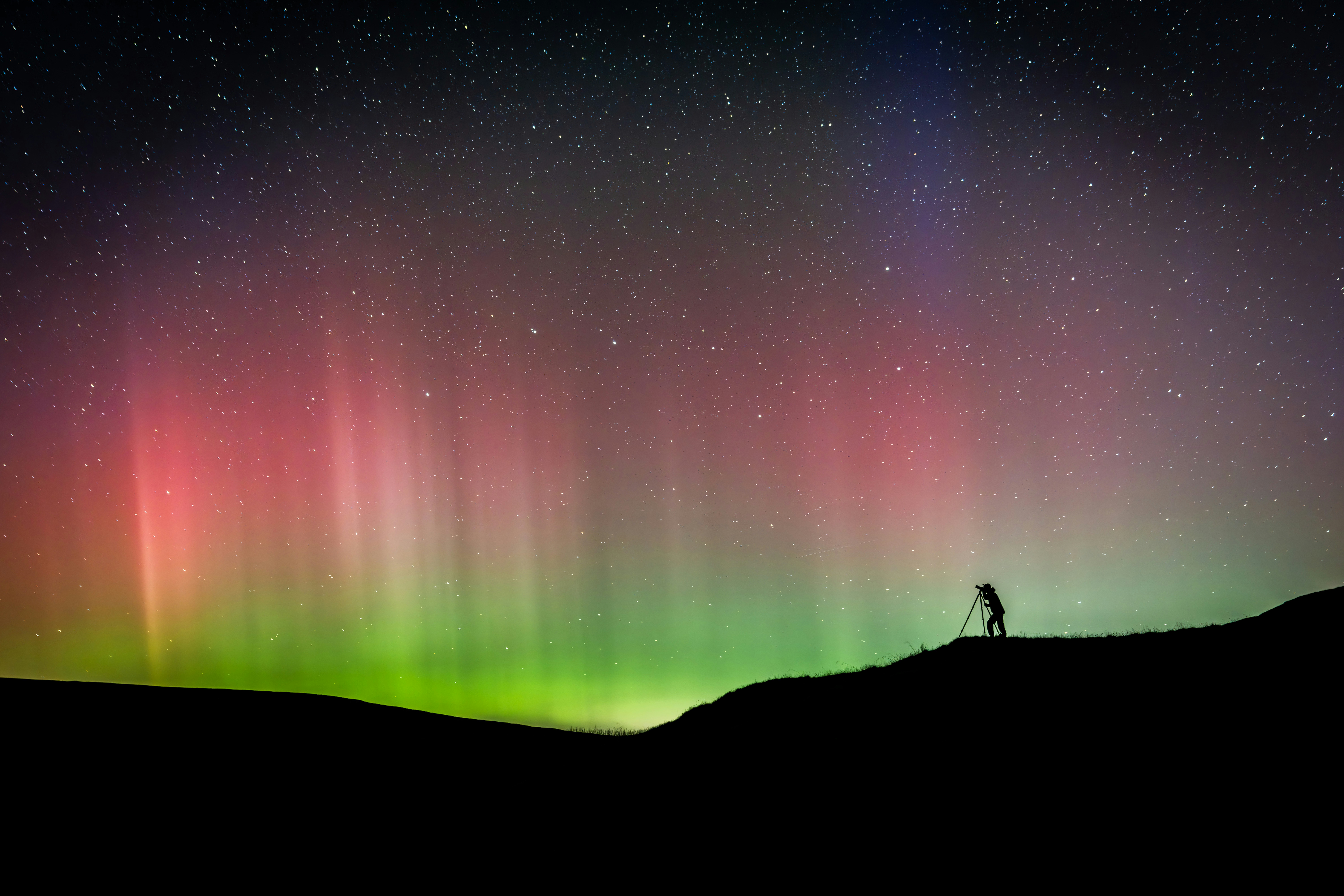
However, photographing the Northern Lights is not without its challenges. Factors such as cold weather, camera equipment limitations, and the unpredictability of solar activity can complicate the process. Techniques like long exposure photography and using a tripod are essential for achieving crisp images in low-light conditions. Understanding these nuances equips photographers with the knowledge needed to effectively gear their equipment and adjust their techniques for capturing the magical dance of the lights in the night sky.
Key Features to Look for in Cameras for Northern Lights Photography
Capturing the breathtaking beauty of the Northern Lights requires a camera equipped with specific features tailored for low-light environments. One of the primary considerations is the camera’s low-light performance, which is critical for achieving clarity and detail in the dark. This performance is largely influenced by the ISO capabilities. Photographers should seek cameras that can operate effectively at high ISO settings to minimize noise while capturing the vibrant colors of the auroras.
The aperture of the lens is another essential factor. A wide aperture (expressed as a lower f-number) allows more light to enter the camera, crucial for shooting in dim conditions. Lenses with an f-stop of f/2.8 or lower are often recommended to facilitate maximum light intake and enhance the quality of the evening sky photographs.
Additionally, the sensor size significantly impacts the overall image quality. Full-frame sensors typically yield better results in low-light situations due to their larger size, allowing for greater light capture, which is essential when photographing the elusive auroras. Furthermore, image stabilization serves a vital role in minimizing motion blur during longer exposure times, ensuring sharp and clear images of the dynamic night skies.
Alongside these features, choosing the right lens is vital for successful Northern Lights photography. A wide-angle lens enables photographers to capture expansive scenes, showcasing the full scope of the auroras against the backdrop of the night. Additionally, utilizing accessories such as sturdy tripods and remote shutters can further enhance shooting stability and ease, making for a smoother photographic experience.
Top Cameras for Northern Lights Photography in 2026
Capturing the mesmerizing spectacle of the Northern Lights requires cameras that not only excel in low-light conditions but also offer advanced features suitable for night photography. In 2026, several models have emerged as frontrunners in this niche, each catering to varying budgets and expertise levels.
The first notable camera is the Canon EOS R6 Mark II. This mirrorless camera features a full-frame sensor, exceptional low-light performance, and advanced autofocus capabilities, making it ideal for those wishing to immortalize the Northern Lights. With a high ISO range and in-body image stabilization, photographers can achieve sharp images even in challenging lighting.
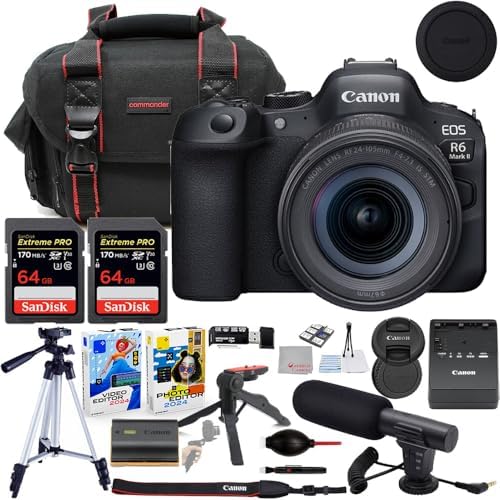
- This Canon Camera Bundle comes with a 1-Year Canon Manufacturer Warranty.
- Canon EOS R6 Mark II Mirrorless Camera: 24.2MP Full-Frame CMOS Sensor, 4K60 10-Bit Internal Video, C-Log 3, External 6K …
- Sleek and versatile, the Canon RF 24-105mm f/4-7.1 IS STM is a well-rounded zoom covering wide-angle to short telephoto …
For enthusiasts on a budget, the Nikon D5600, an entry-level DSLR, stands out. Its APS-C sensor delivers impressive image quality and dynamic range. User-friendly features, coupled with a vast array of compatible lenses, allow for flexibility and creativity. The feedback from novice photographers indicates that the D5600 handles night shots quite well, offering a great balance of quality and cost.

- THIS NIKON CAMERA BUNDLE CONTAINS: Nikon D5600 DSLR Digital Camera (Body Only) + SanDisk 64GB Ultra SDHC SD Memory Card …
- PERFECT COMBINATION: 24.2MP DX-Format CMOS Sensor – Paired With EXPEED 4 Image Processor – Fast Continuous Shooting Rate…
- EASY-TO-USE FEATURES: 3.2″ 1.04m-Dot Tilting Touchscreen LCD Monitor – Full HD 1080p Video Recording at 60 fps – SnapBri…
On the high-end spectrum, the Sony A7R IV deserves mention. This full-frame mirrorless camera is known for its stunning resolution and low-light capabilities. With a robust autofocus system and excellent video performance, it is favored among professionals capturing the Northern Lights. Users laud its versatility, being suitable for both landscape and astrophotography.

- Stunning resolution: world’s first 61MP full-frame 35mm back-illuminated Exmore R CMOS Image Sensor. The product is comp…
- High speed: up to 10Fps continuous shooting at 61MP with AE/AF tracking; 26. 2MP in APS-C crop mode
- Fast Hybrid Autofocus: 567 Phase detection AF points and 425 contrast AF points to cover more area
Finally, the Fujifilm X-T4 remains popular for its unique film simulations and lightweight design. Offering both high-quality stills and video, it is well-regarded for its ability to freeze moments of the aurora with striking vibrancy. Reviews highlight its intuitive controls and reliability even in extreme conditions.

- Putting Stability in Your Hands: A huge part of creating great photos or videos is making sure you are in the right plac…
- Performance You Can Rely On: For any serious image maker, having a tool that can be relied upon to perform flawlessly wh…
- Find the Best Angle for Your Story: When chasing the perfect image, versatility is key, so the last thing you want is to…
These cameras have been vetted through expert evaluations and user reviews, ensuring that photographers can select equipment aligned with their specific needs and preferences for capturing the breathtaking Northern Lights.
Tips for Capturing Stunning Northern Lights Photographs
Photographing the Northern Lights can be a breathtaking experience, yet it requires a blend of technical knowledge and artistic creativity to truly capture their magic. To begin, it is crucial to select the right camera settings to achieve stunning results. A wide aperture (e.g., f/2.8 or lower) will allow more light to enter, which is essential for low-light conditions. In terms of shutter speed, using a longer exposure time, typically between 5 to 30 seconds, can help capture the ethereal movement of the auroras; however, it is vital to avoid overexposure. The ISO setting will vary, but a range of 800 to 3200 is often optimal, balancing brightness and noise.
Composition plays a significant role in enhancing the visual appeal of Northern Lights photographs. Considering elements like symmetry, leading lines, and the rule of thirds can add depth to your images. Including foreground elements such as trees, mountains, or water can provide context and create a more dynamic scene. Additionally, scouting locations ahead of time is essential. Areas with minimal light pollution, a clear view of the northern horizon, and an interesting foreground will improve your chances of capturing breathtaking images.
Timing is also a key factor. Being aware of the aurora forecast and the best times to shoot—typically during the winter months and around new moons—will significantly increase your likelihood of witnessing high-intensity displays. Patience is paramount in this endeavor. Often, photographers must wait for the right moment to arise, as the Northern Lights can be unpredictable. Lastly, post-processing techniques play a vital role in refining your images. Tools such as exposure adjustment, contrast enhancement, and noise reduction software can elevate your photographs, resulting in striking images of the Northern Lights.
As an Amazon affiliate, I earn from qualifying purchases.